
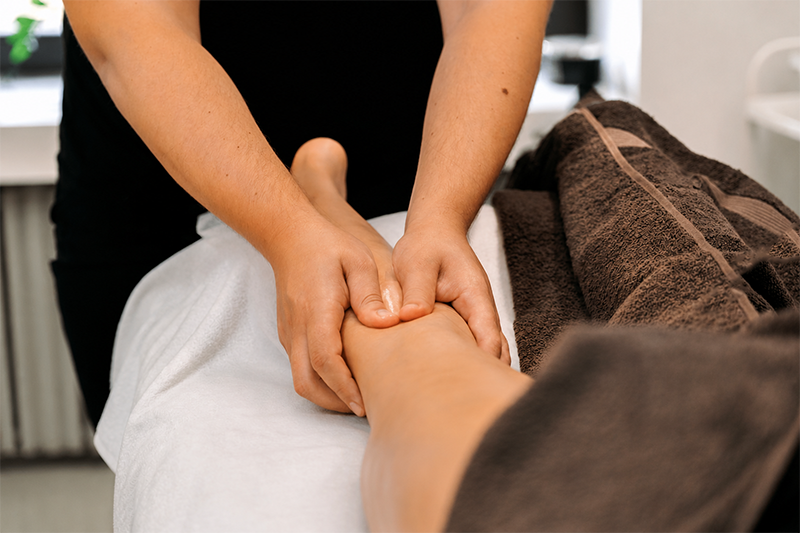
SPORTS MASSAGE
Sports massage is a targeted form of treatment used to help manage pain, reduce muscular tension, support recovery, and improve movement and mobility. Originally developed to help athletes perform and recover more effectively, sports massage is now widely used by anyone experiencing muscle tightness, stiffness, postural aches, or the physical demands of work, exercise, and an active lifestyle.
Treatment focuses on specific areas of tension and restriction that may be contributing to discomfort, reduced mobility, or recurring problems. A session may incorporate a range of techniques, including deep-tissue work, soft-tissue release, stretching, mobilisation, and trigger point therapy, depending on your individual requirements.
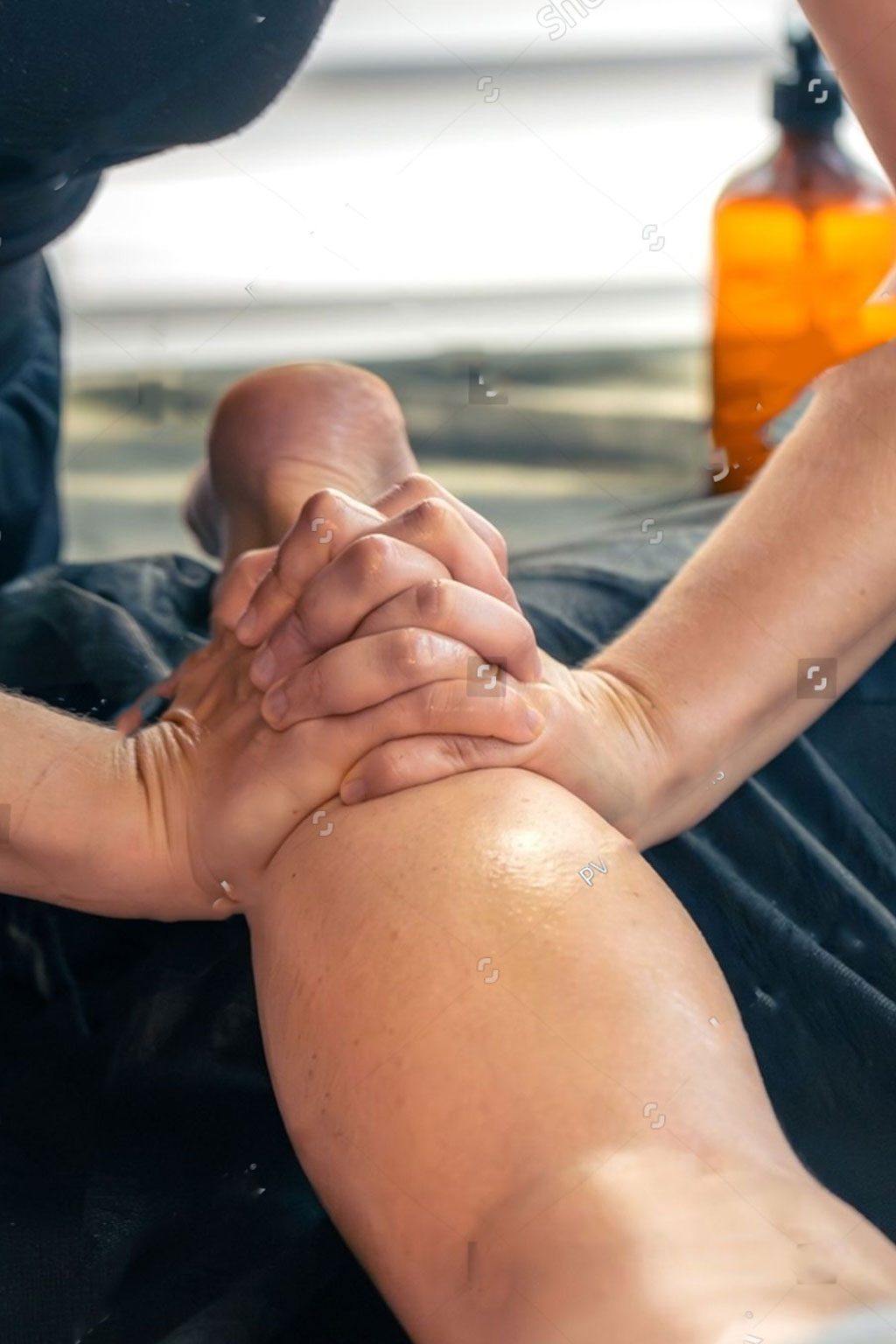
What to expect
Your first appointment will begin with a short consultation to discuss your medical history, lifestyle, any injuries, and what you’d like to achieve from your treatment. This helps ensure your massage is safe, effective, and tailored to your individual needs.
Your treatment will focus on the areas discussed during your consultation. Depending on your needs, a combination of massage techniques may be used to help reduce muscle tension, improve mobility, support recovery, and relieve discomfort.
Pressure is always adapted to your comfort level, and you’re encouraged to give feedback throughout the treatment. While some areas may feel tender, the massage should never feel unbearable.
At the end of your appointment, you’ll receive simple aftercare advice and, where appropriate, recommendations for stretches or self-care to help you get the most from your treatment.
Common Injuries Treated with Sports Massage
Whether your injury happened suddenly or has developed gradually over time, sports massage can play an important role in reducing muscular tension, improving movement, and supporting your recovery.
Acute Injuries
Acute injuries occur suddenly and are often caused by a specific incident, such as a fall, twist, impact, or awkward movement. Once the initial stage of healing has passed and massage is appropriate, treatment can help restore movement, reduce muscle tightness, and support your rehabilitation.
Common examples include:
- Ankle sprain
- Hamstring strain
- Calf strain
- Quadriceps strain
- Neck strain
- Shoulder strain
Chronic & Overuse Injuries
Chronic injuries develop gradually through repetitive movement, training, work, or everyday activities. They often begin as a minor ache before becoming a persistent problem if left untreated.
Sports massage can help relieve muscular tension, improve flexibility, restore movement, and support your return to everyday activities.
Common examples include:
- Achilles tendinopathy
- Tennis elbow
- Golfer’s elbow
- Shin splints
- Runner’s knee
- Rotator cuff pain
- Plantar fasciitis
- Lower back pain
Recovery isn’t just about treating the injury—it’s about helping you regain confidence in how you move. Whether your injury happened yesterday or has been bothering you for months, every treatment is tailored to your symptoms, lifestyle, and goals, helping you recover well, move more freely, and get back to doing the things you enjoy.
Not sure if sports massage is right for your injury? Feel free to get in touch—I’m always happy to discuss your symptoms and whether treatment is appropriate.
Benefits of Sports Massage
Relieve Muscle Tension
Helps reduce muscular tightness and built-up tension, improving comfort and ease of movement.
Improve Mobility
Supports flexibility and joint mobility, helping you move more freely and confidently.
Support Recovery
Encourages recovery following exercise, training, competition, or physical activity.
Reduce Aches and Pains
Helps ease everyday muscular aches and discomfort associated with work, posture, and activity.
Maintain Muscle Health
Regular treatment helps keep muscles healthy, supple, and functioning efficiently.
Improve Posture
Helps address muscular imbalances that may contribute to poor posture and discomfort.

Whether you’re recovering from injury, living with muscle tension, or simply looking to move more freely, I’m here to help.